Get Livestock Fencing Installation
Local contractors offer livestock fencing installation services to secure property boundaries, contain animals, and support various farm and ranch projects.
Livestock fencing installation is an important consideration for property owners looking to secure their land and manage livestock effectively. Whether establishing boundaries for grazing animals, protecting crops, or maintaining safety on rural properties, having a reliable fence in place can make a significant difference. Local contractors specializing in fencing services understand the specific needs of the area and can provide tailored solutions that suit different types of properties and livestock.
Exploring options for fencing installation involves comparing the services offered by various local service providers. Planning a fencing project requires understanding the materials, styles, and techniques that best fit the property’s layout and purpose. By connecting with experienced local contractors, property owners can gather the information needed to make informed decisions and find solutions that align with their property management goals. Keep reading to learn more about how local fencing experts can assist with your project.
- Farm perimeter fencing - needed when establishing boundary security for livestock enclosures.
- Pasture fencing installation - required to contain grazing animals and prevent them from wandering.
- Ranch fencing upgrades - necessary for improving existing fencing systems or replacing outdated barriers.
- Corrals and holding pens - used to safely manage and sort livestock during various farm activities.
- Erosion control fencing - installed to prevent soil erosion along fencing lines and protect land stability.
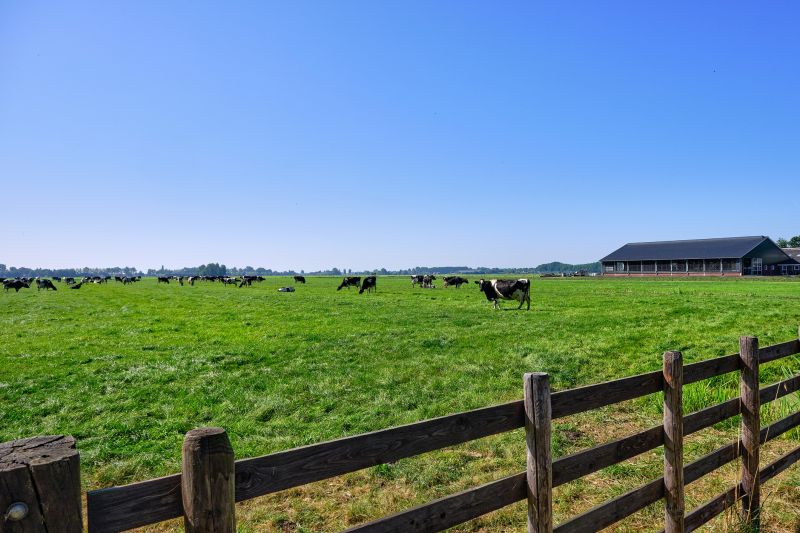
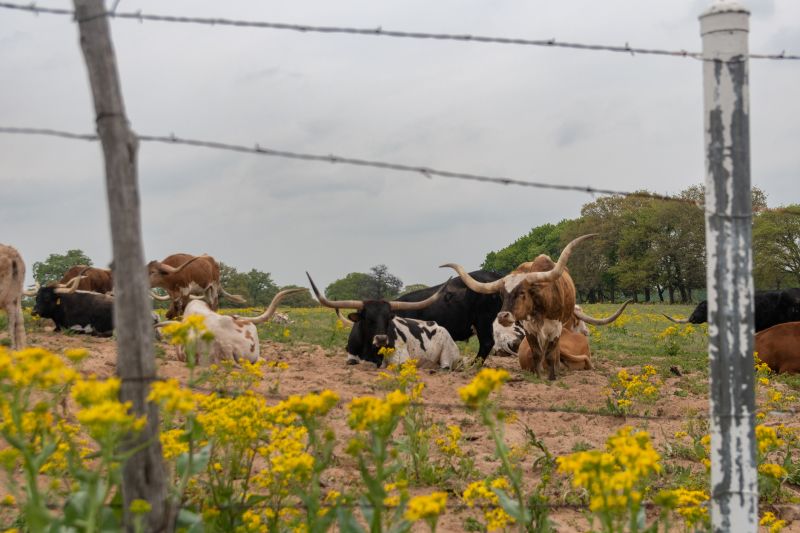
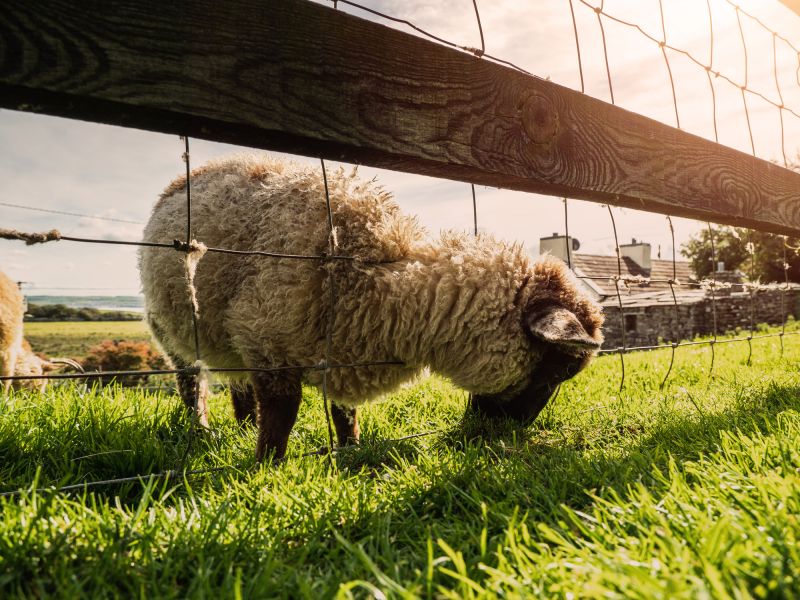
Livestock fencing installation involves setting up durable barriers designed to contain animals and protect property boundaries. These fences are typically constructed using materials such as wood, wire, vinyl, or metal, depending on the specific needs of the property and the type of livestock. The process includes planning the layout, measuring the area, and installing posts and fencing material securely to ensure the enclosure is sturdy and long-lasting. This service helps property owners establish clear boundaries and create safe environments for their animals.
One of the main problems that livestock fencing helps solve is preventing animals from wandering off or escaping, which can pose safety risks and lead to property damage. It also helps keep unwanted animals or pests out of the property, reducing potential conflicts and ensuring the safety of both livestock and residents. Proper fencing can also minimize the risk of injuries by preventing animals from coming into contact with hazards outside the property. Whether dealing with large pastures or smaller enclosures, professional fencing installation ensures the barriers are effective and reliable.
Properties that typically utilize livestock fencing include farms, ranches, and rural estates, but they can also be useful for larger residential properties with backyard livestock or pet animals. These fences are ideal for enclosing cattle, horses, sheep, goats, or other farm animals. Even hobby farms or properties with multiple pets may benefit from installing fencing to create secure spaces for animals to roam freely without the risk of escape or injury. The versatility of livestock fencing makes it suitable for various property sizes and types, providing a practical solution for animal containment and property management.
Choosing to work with local contractors for livestock fencing installation offers the advantage of experienced professionals familiar with regional conditions and common property layouts. These service providers can assess specific needs, recommend appropriate fencing materials, and ensure proper installation techniques. Whether the goal is to contain livestock, secure a rural property, or create designated outdoor spaces for animals, local pros can deliver tailored solutions that meet individual requirements. Contacting a local fencing specialist can help property owners find the right fencing options to suit their needs and ensure a secure, functional enclosure.
The overview below groups typical Livestock Fencing Installation projects into broad ranges so you can see how smaller, mid-sized, and larger jobs often compare in your area.
In many markets, a large share of routine jobs stays in the lower and middle ranges, while only a smaller percentage of projects moves into the highest bands when the work is more complex or site conditions are harder than average.
Smaller Repairs - Typical costs for minor fencing repairs or adjustments range from $250 to $600. Many routine jobs fall within this middle range, though prices can vary based on fence size and material. Fewer projects tend to push into the higher end of this spectrum.
Basic Fence Installation - Installing a new standard livestock fence generally costs between $1,200 and $3,000 for most properties. Local contractors often handle these projects within this range, with larger or more complex setups reaching higher costs.
Full Fence Replacement - Replacing an entire livestock fencing system can range from $4,000 to $10,000 or more, depending on property size and fence type. Many projects fall into the middle of this range, while larger farms may see higher expenses.
High-End or Custom Projects - Custom or specialty fencing installations, such as premium materials or intricate layouts, can exceed $10,000. These larger, more complex projects are less common but represent the upper tier of costs local service providers may charge.
Actual totals will depend on details like access to the work area, the scope of the project, and the materials selected, so use these as general starting points rather than exact figures.
Fence Repair and Replacement - local contractors skilled in repairing or replacing existing fences can apply similar techniques and tools used in livestock fencing projects.
Agricultural Fence Installation - professionals experienced in installing fences for farms and crops share planning and installation skills with livestock fencing services.
Animal Enclosure Construction - building secure enclosures for various animals involves planning and materials comparable to livestock fencing installation.
Field Boundary Fencing - setting up boundary fences around large fields requires similar site assessment and fencing techniques as livestock fencing.
Garden and Property Fencing - installing fences around residential or commercial properties involves planning and tools comparable to livestock fencing projects.
Pipeline and Utility Fencing - constructing fencing to protect underground utilities or pipelines involves similar planning, materials, and installation skills as livestock fencing.
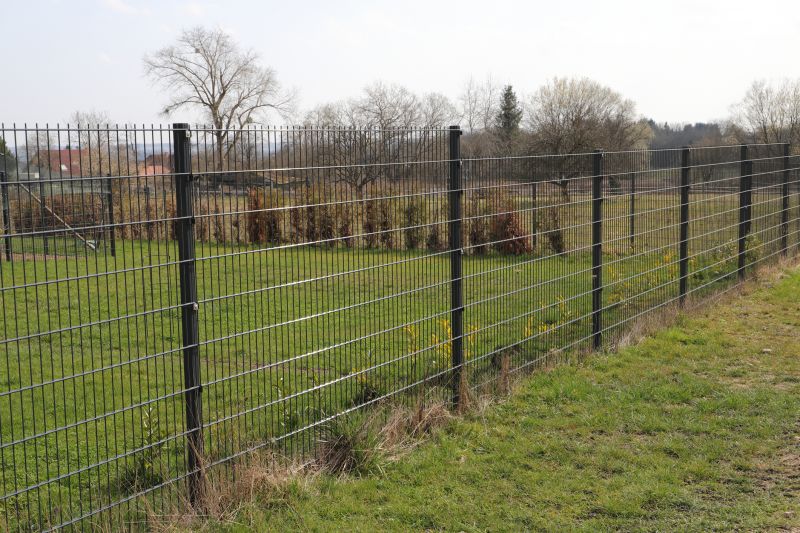
When comparing service providers for livestock fencing installation, it’s important to consider their experience with similar projects. A contractor who has worked on comparable fencing systems or livestock enclosures is more likely to understand the specific needs and challenges involved. Asking about their past work can provide insight into their familiarity with different fencing materials, terrain considerations, and livestock safety requirements. This background can help ensure that the chosen contractor has the practical knowledge necessary to deliver a durable and effective fencing solution.
Clear, written expectations are key to a successful project. Homeowners should look for providers who can offer detailed descriptions of their services, including the scope of work, materials used, and any specific responsibilities. Having this information in writing helps prevent misunderstandings and provides a reference throughout the project. It’s also beneficial to clarify the process for addressing potential issues or changes, ensuring that both parties have aligned expectations from the outset.
Reputable references and good communication are essential factors when selecting local contractors. Asking for references or examples of completed projects can give confidence in their reliability and quality of work. Additionally, effective communication-such as responsiveness, clarity in explanations, and willingness to answer questions-can make the entire process smoother. While this site introduces homeowners to local options for fencing installation, it does not perform the work itself. Instead, it helps connect individuals with experienced service providers who can handle the project from start to finish.
Property owners use Livestock Fencing Installation services for practical projects around their homes and businesses. This guide focuses on everyday jobs and straightforward project options.
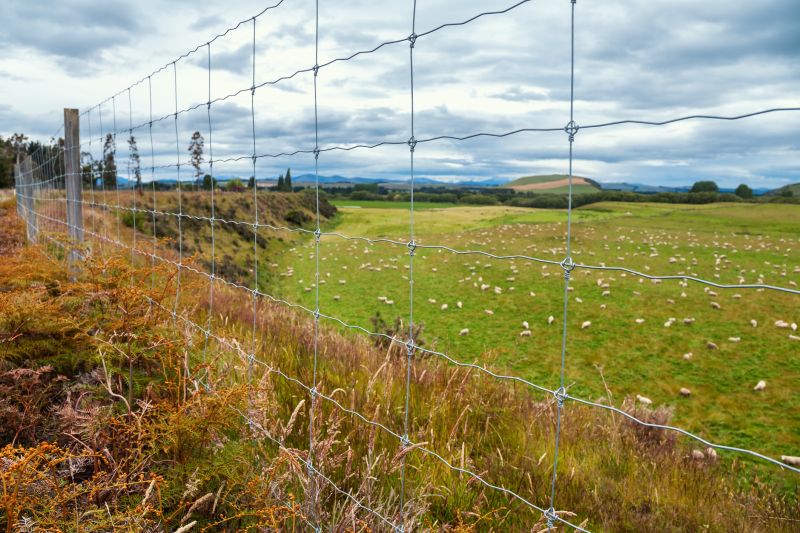
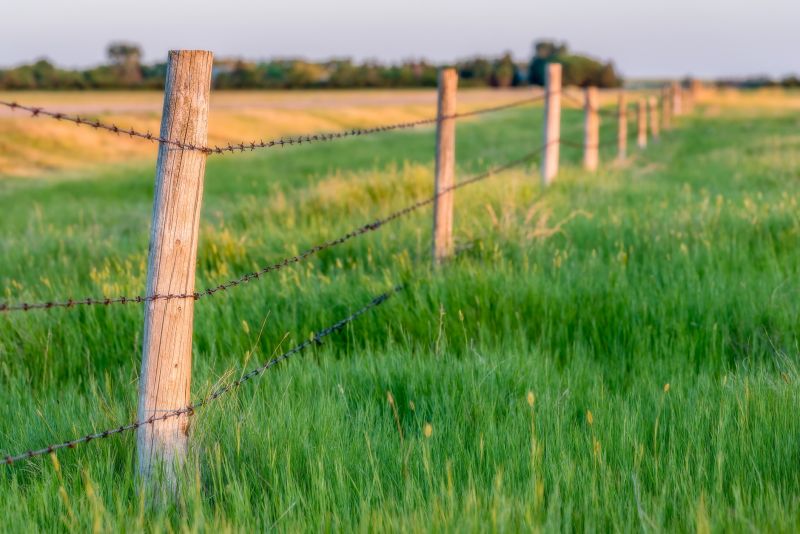
Livestock fencing installation is a common project for property owners who need to create secure boundaries for animals or define property lines. Whether someone has recently acquired land or is looking to upgrade existing fencing, local contractors can help with installing sturdy, reliable fences that suit the specific needs of farms, ranches, or rural properties. These projects often involve choosing the right materials, such as wire or wooden fencing, to keep livestock safely contained and prevent animals from wandering off.
Property owners may seek fencing services to improve privacy, protect crops, or prevent unwanted visitors from entering their land. Local service providers can assist with installing fences that are durable enough to withstand the elements and regular use. By connecting with experienced contractors, landowners can ensure their fencing projects are handled efficiently and effectively, providing peace of mind and long-lasting boundaries.
What types of fencing materials do local contractors install for livestock? Local service providers typically install a variety of fencing materials such as wire, wood, vinyl, and electric fencing to suit different livestock and property needs.
Can local contractors help with fencing for different types of livestock? Yes, experienced local pros can install fencing suitable for cattle, horses, sheep, goats, and other livestock, ensuring the fencing is appropriate for each type's behavior and containment needs.
What factors should be considered when choosing livestock fencing? Factors like livestock type, terrain, property size, and durability requirements are important considerations that local service providers can help evaluate to recommend suitable fencing options.
Do local contractors offer customization for livestock fencing projects? Many local pros provide customized fencing solutions tailored to specific property layouts, livestock needs, and preferences to ensure effective containment and safety.
What maintenance is typically required for livestock fencing installed by local pros? Maintenance may include regular inspections, repairs of damaged sections, and ensuring gates and fencing components remain secure, with local contractors often providing guidance on upkeep.
Farm Animal Enclosures - Local contractors can install fencing to create safe and secure spaces for livestock such as horses, cattle, or sheep.
Garden and Yard Boundaries - Property owners can define their property lines or keep pets contained with durable fencing solutions.
Crop Protection - Fencing can help keep out wildlife and pests, safeguarding crops and garden plants effectively.
Erosion Control and Land Management - Proper fencing can assist in managing land use, preventing soil erosion, and maintaining pasture boundaries.
If you are thinking about Livestock Fencing Installation for a property, this guide is meant to help you understand the work, the typical project types, and how different options might fit your plans.
When you are ready, you can use the quote form on this page to share a few details about your project. From there, local pros can review the basics and respond with options that match what you have in mind.